
Licensed HVAC Contractors in Arizona
Connect with verified independent HVAC contractors licensed by the Arizona Registrar of Contractors (ROC). From central AC repair and cold-climate heat pumps to 24/7 emergency furnace dispatch across Arizona, receive upfront Fair Quotes backed by EPA Section 608 certified technicians.
Request Your Fair Quote
Match with licensed, EPA 608 certified HVAC specialists in your area.
Prefer to speak with an intake coordinator right now?
(800) 644-2796 — Call 24/7Arizona Mechanical Contracting Regulatory Authority
Heating, ventilation, and air conditioning contracting in Arizona is governed by the Arizona Registrar of Contractors (ROC).
Arizona Climate Profile & Sizing Degree Days
ACCA Manual J heating and cooling load calculation parameters for Arizona.
ASHRAE Zone 2B (Hot-Dry Extreme Desert, 115°F+ Design Temps)
Dictates insulation R-values, window SHGC ratings, and minimum SEER2/HSPF2 baseline efficiency standards.
3,800 Degree Days
Reflects annual summer compressor duty cycles, sensible heat gain, and high-ambient condensing demands.
1,200 Degree Days
Determines heating balance points, low-ambient heat pump COP requirements, and auxiliary furnace staging.
Arizona Clean Heat & Energy Efficiency Rebates
Stack federal tax credits with local Arizona electric and gas utility rebates.
Claim up to $2,000 annually (30% of total installed cost) on qualifying ENERGY STAR certified cold-climate heat pump systems meeting CEE Tier 1 or Tier 2 efficiency benchmarks.
- APS Cool Rewards Inverter AC Rebate ($200-$1,200)
- SRP Heat Pump Water Heater & 18+ SEER2 Incentive ($1,125)
Arizona Housing Infrastructure & Retrofit Challenges
1980s-2000s stucco slab-on-grade homes; rooftop package units and attic flex duct thermal degradation.
Indoor Air Quality (IAQ) Standards in Arizona
Peer-reviewed evidence on filtration efficiency, humidity control, and cardiovascular health.
Fine Particulate Cardiorespiratory Defense
National Institutes of Health (NIH/PubMed PMID: 32560372) clinical studies demonstrate that installing MERV 13 whole-home filtration captures 65%-85% of sub-micron PM2.5 particulates, significantly reducing systemic vascular inflammation.
ASHRAE 62.2 Relative Humidity Thresholds
Maintaining indoor relative humidity below 50% prevents fungal germination (*Stachybotrys*, *Aspergillus*) on evaporator cooling coils and within supply plenum insulation liners.
Should You Repair, Replace, or Upgrade Your Arizona HVAC Systems?
HVAC decisions aren't binary. A failing 12-year-old system competes against both a targeted repair and a high-SEER2 inverter heat pump that pays for itself in reduced monthly electric bills.
Targeted Component Repair
Best when the system is relatively young (under 8–10 years) and the mechanical failure is isolated.
Like-for-Like Replacement
Best when the system is 12–15+ years old and faces a major component failure (evaporator coil or compressor).
High-Efficiency Heat Pump Upgrade
Variable-speed inverter system (18–22+ SEER2) maximizing energy savings and tax credit incentives.
HVAC Services in Arizona
Select a specialized service category for state-specific diagnostics, repair procedures, and transparent Fair Quotes.
AC Repair & Installation
Fast diagnostic, refrigerant leak detection, capacitor replacement, and high-efficiency central air installation.
Furnace & Heating Systems
Gas and electric furnace diagnostic, heat exchanger carbon monoxide safety inspection, and high-efficiency heating replacements.
Heat Pump Systems & Mini-Splits
All-electric cold-climate heat pumps, ductless mini-splits, reversing valve diagnosis, and IRA 25C rebate qualifying installs.
Ductwork Repair, Sealing & Balancing
Aeroseal duct sealing, static pressure diagnostics, return air plenum enlargement, and R-8 insulation duct replacement.
Smart Thermostats & Zoning Controls
Smart Wi-Fi thermostat installation, C-wire 24V power additions, motorized zone dampers, and multi-stage control calibration.
Indoor Air Quality & Whole-Home Filtration
MERV 13–16 media air cleaners, germicidal UV-C coil purifiers, whole-home dehumidifiers, and steam humidifiers.
Maintenance Plans & Seasonal Tune-Ups
21-point spring cooling and 24-point fall heating safety inspections, coil chemical washes, and VIP priority dispatch protection.
Commercial HVAC Systems
Packaged rooftop units (RTU), commercial ducting, make-up air ventilation, and preventive maintenance contracts for business facilities.
Emergency HVAC Services (24/7 Response)
Rapid dispatch for no-heat sub-zero emergencies, extreme heatwave AC failures, gas odors, and carbon monoxide detector trips.
Ventilation & Exhaust Systems
Energy Recovery Ventilators (ERV), Heat Recovery Ventilators (HRV), quiet bathroom exhaust fans, and attic solar ventilation.
Arizona Mechanical Permit Requirements
Replacing central air conditioners, gas furnaces, or heat pump split systems in Arizona requires pulling a municipal mechanical permit. Independent contractors handle the entire permit application, load calculations, and final inspector sign-off.
Emergency Heating & AC Response in Arizona
Experiencing complete furnace ignition failure during freezing sub-zero winter temperatures or a locked AC compressor during a triple-digit heatwave? On-call emergency dispatchers prioritize acute comfort and safety calls across Arizona 24 hours a day, 365 days a year.
Estimated HVAC Repair & Installation Costs in Arizona
Standard price ranges based on regional labor indices, equipment tonnage, and permit fees.
Complete multi-point electrical, refrigeration, and airflow diagnostic check.
Run capacitors, contactors, flame sensor cleaning, standard thermostats.
ECM blower motors, TXV valves, evaporator coils, draft inducer motors.
New matched 15.2+ SEER2 condenser & air handler with 10-year parts warranty.
Refrigerant Phaseouts & Next-Gen A2L Upgrades in Arizona
The HVAC industry is undergoing an EPA-mandated transition from R-410A to Low-GWP A2L refrigerants (such as R-454B and R-32). Understanding these phases protects homeowners from escalating recharge costs on obsolete systems.
Bi-Annual HVAC Tune-Up Protocol for Arizona
Regular seasonal maintenance prevents 85% of unexpected compressor and motor breakdowns.
Spring 21-Point Cooling Tune-Up
- Condenser coil chemical washing & fin straightening
- Capacitor capacitance (µF) rating and contactor pitting audit
- Refrigerant subcooling and superheat target calculation
- Condensate drain line flush with anti-algae tablet placement
Fall 18-Point Heating Tune-Up
- Heat exchanger optical camera crack & rust inspection
- Flame sensor micro-amp testing & burner port vacuuming
- High-limit safety switch and pressure switch calibration
- Combustion analysis (CO PPM and stack draft verification)
Carbon Monoxide Defense & Heat Exchanger Safety
According to the CDC and NIH (PMID: 29083894), cracked furnace heat exchangers emit invisible, odorless carbon monoxide gas directly into supply duct air. Annual infrared combustion analysis ensures absolute safety for your household.
Bordering States & Regional Service Corridors
Compare climate standards, licensing boards, and clean energy incentives across neighboring state networks.
Real Homeowner Stories & Case Evidence
Authentic feedback from homeowners matched with licensed, EPA Section 608 certified HVAC professionals nationwide.

Fast Heatwave AC Diagnostic & Fair Quote
“My outdoor unit blew a capacitor in 102°F heat. ServiceFind matched me with a certified tech who arrived within 2 hours with the exact replacement part on his truck. Upfront, fair pricing.”
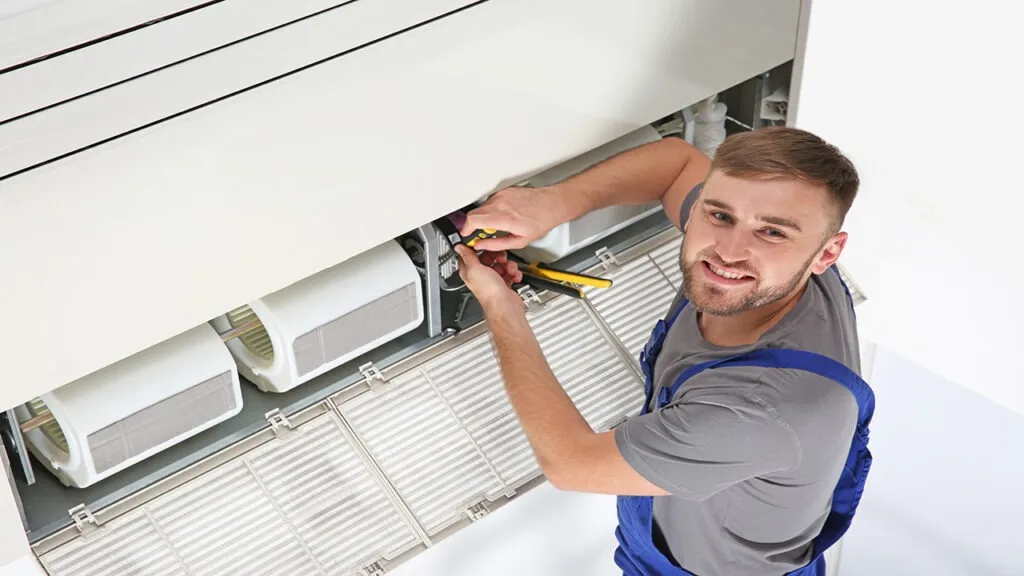
Seamless Heat Pump Upgrade & $2,000 IRA Credit
“Upgraded our 16-year-old noisy system to an 18 SEER2 variable-speed heat pump. Our monthly APS summer power bills dropped by $140, and the contractor handled the utility rebate paperwork.”
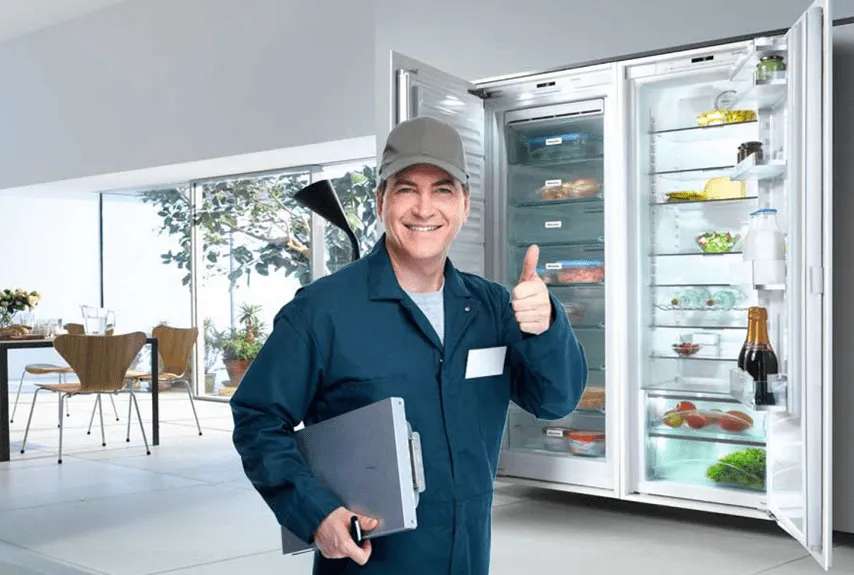
Sub-Zero Furnace Flame Sensor Emergency Fix
“Furnace was short-cycling and blowing cold air at 10°F. Tech immediately diagnosed a fouled flame sensor rod and verified the heat exchanger was crack-free with a combustion analyzer.”

Full Inverter AC Installation & Permit Sign-off
“Replaced our old R-410A condenser with a modern high-efficiency unit. The contractor handled the city mechanical permit and passed inspection on the first visit.”
Precision Refrigerant Leak Detection & Repair
“Tech used electronic ultrasonic sniffers to pinpoint a micro-leak on the evaporator flare fitting, recovered the refrigerant safely, and recharged to factory subcooling specs.”
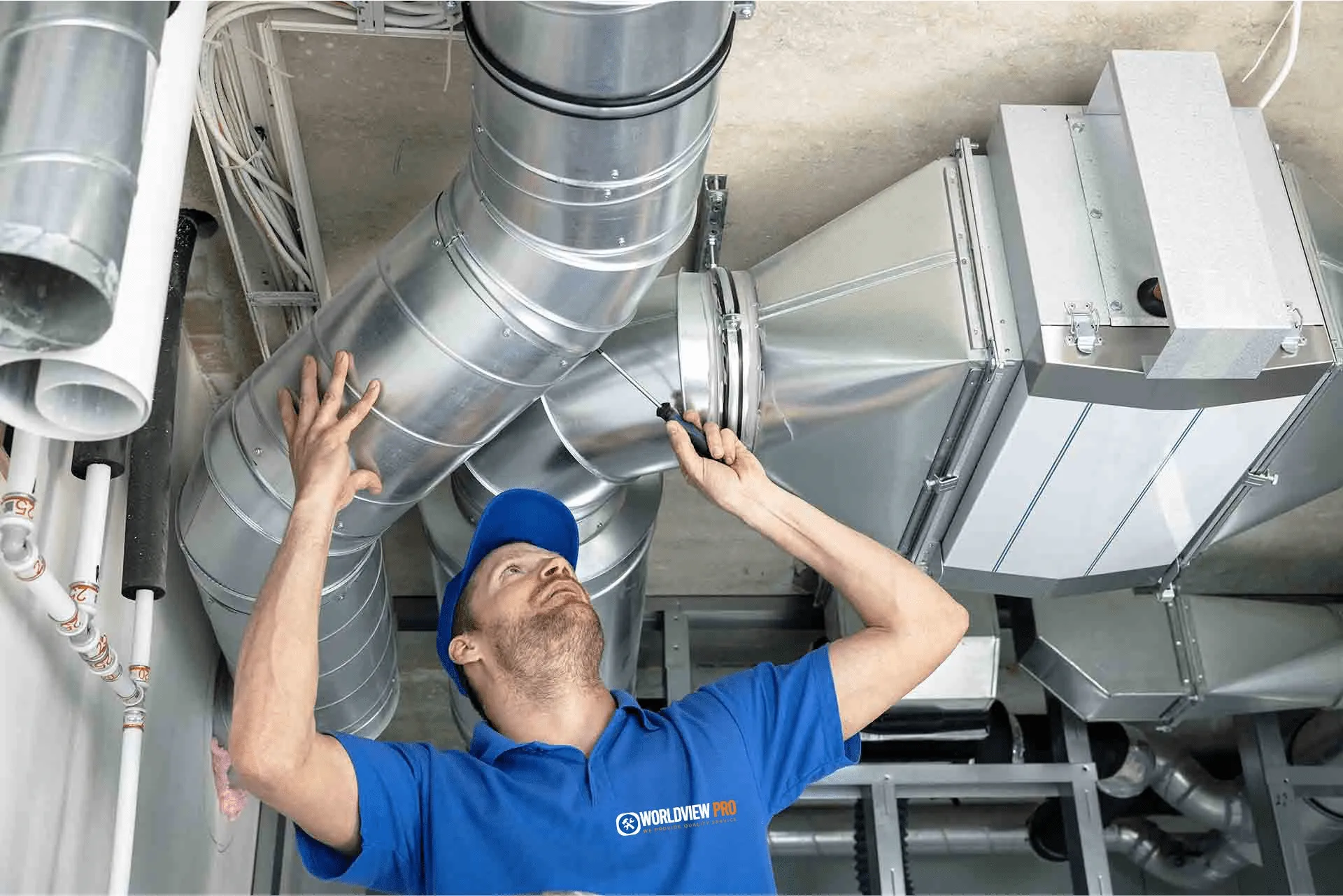
Ductwork Static Pressure Balancing & IAQ Overhaul
“Hot and cold spots in our two-story house are completely gone after duct sealing and installing a MERV 13 media cabinet. Air quality improved dramatically.”
⚠️ 10 Signs You Need HVAC Repair & Service in Arizona
Ignoring minor mechanical imbalances forces your heating and cooling equipment to run under continuous thermodynamic strain, accelerating compressor burnout and skyrocketing electrical consumption. If you notice any of these ten warning signs in Arizona, our verified technicians provide rapid diagnostics under our upfront Fair Quote standard:
Lukewarm Airflow from Supply Registers
When cooling is active but registers blow lukewarm air, the refrigeration cycle has collapsed—commonly caused by low refrigerant charge, TXV metering valve failure, or compressor valve plate failure.
Evaporator Coil Frost & Ice Accumulation
Solid ice forming across the indoor cooling coil or outdoor suction line indicates refrigerant saturation temperature has plunged below 32°F due to severe airflow blockage or pinhole refrigerant leaks.
Rapid Short-Cycling & Breaker Trips
Systems that turn on for 2–3 minutes and quickly cycle off suffer from high-head-pressure safety cutoffs, failing dual run capacitors, or thermal overload switches protecting the compressor motor.
Screeching, Clanging, or Banging Noises
High-pitched screeching signals worn blower motor bearings or fan belt slippage. Metallic clanging or banging indicates broken compressor piston rods or loose internal fan blades requiring immediate shutoff.
Musty, Sweet, or Burning Electrical Odors
A dusty, dirty-sock odor signals bacterial mold colonization on the evaporator coil (mold bloom). Pungent acrid burning odors point to overheated electrical contactors or decomposing motor wire insulation.
Standing Water Around Air Handler or Furnace
Water pooling beneath the indoor furnace or air handler means the condensate drain line is clogged with algae sediment or the secondary emergency drain pan float switch has failed, threatening ceiling drywall damage.
Spiking Electric or Natural Gas Bills
A sudden 25%–50% surge in monthly utility bills without weather extremes reveals severe mechanical degradation—such as low compressor compression ratios, dirty condenser coils, or auxiliary heat strips stuck running.
Weak Airflow Velocity Through Registers
Barely perceptible airflow at supply grilles points to crushed flex ductwork, duct disconnects in unconditioned attics, clogged high-MERV filters, or an electronically commutated blower motor (ECM) losing phase.
Yellow or Flickering Gas Burner Flame
A healthy natural gas furnace burner burns crisp blue. A lazy yellow or flickering burner flame proves incomplete stoichiometric combustion and soot buildup, warning of potential deadly carbon monoxide leakage.
Extreme Temperature Differentials Between Rooms
When bedrooms remain 8°F–12°F hotter or colder than living areas, total external static pressure (TESP) is imbalanced, requiring motorized zone dampers, return air expansions, or duct mastic re-sealing.
🔍 Common Causes of HVAC Failures in Arizona
HVAC equipment does not fail at random. Mechanical breakdowns in Arizona stem from identifiable thermodynamic imbalances, electrical degradation, and airflow boundary layer friction. Verified independent technicians identify and correct these root physical causes:
Refrigerant Charge Depletion & Micro-Leaks
Air conditioners and heat pumps operate on hermetically sealed closed loops. Vibration-induced friction on brazed copper fittings or formicary coil corrosion causes micro-leaks, dropping subcooling enthalpy and driving compressor overheating.
Dual Run Capacitor Dielectric Breakdown
Summer ambient temperatures exceeding 95°F boil internal dielectric fluid inside aluminum run capacitors. A 5%–10% drop in microfarad (µF) rating prevents the motor from generating necessary phase shift torque, causing breaker trips.
Airflow Starvation & High Static Pressure
Accumulated dust on 1-inch return filters or fouled evaporator coil aluminum fins creates excessive total external static pressure (TESP > 0.8 in. w.g.). This starves the blower motor, triggering coil cryogenic freeze-up.
Condensate Trap Sludge & Float Switch Trips
High-humidity cooling condenses 5 to 20 gallons of water daily. Stagnant moisture breeds bacterial algae blooms inside 3/4-inch PVC lines. When the P-trap blocks, water fills the secondary drain pan, triggering emergency safety shutoff.
Heat Exchanger Stress Micro-Fractures
Tens of thousands of thermal expansion cycles across furnace heating seasons generate mechanical stress in aluminized heat exchanger curves. Micro-cracks permit high-velocity combustion flue gases directly into supply air plenums.
Unsealed Attic Ductwork & Thermal Bleed
Duct leakage in unconditioned attic spaces forces conditioned air out through unsealed boot joints while sucking superheated 130°F attic air into returns. Homes lose 25% to 35% of cooling capacity through thermal envelope breaches.
⚖️ DIY vs. Professional – When to Call a Pro in Arizona
While routine filter maintenance and exterior fin clearing can be safely performed by homeowners, attempting DIY repairs on high-voltage electrical circuits or pressurized chemical refrigerants carries severe risks of electrical shock, compressor motor burnout, and federal Clean Air Act violations. Use this guide to make an informed decision:
When DIY Maintenance is Safe & Appropriate
Restricted to low-voltage, de-energized, non-chemical tasks that preserve design airflow and prevent cosmetic fouling without altering mechanical components.
- Pleated Air Filter Replacement: Swapping MERV 8–11 filters every 60 to 90 days to prevent CFM starvation and static pressure rise.
- Outdoor Condenser Clearance: Trimming foliage and clearing leaves within a 24-inch perimeter of the outdoor condensing unit.
- Condensate P-Trap Vinegar Flush: Pouring 1 cup of distilled white vinegar into the condensate access cap quarterly to clear algae film.
- Thermostat Battery Change: Installing fresh alkaline AA batteries and dusting wall sensor thermistors.
When Certified Professional Service is Mandatory
Mandatory under federal environmental laws (EPA Section 608) and municipal mechanical safety codes for high-voltage, combustible fuel, or refrigeration loop work in Arizona.
- Refrigerant Leaks & Subcooling Calibration: Federal Clean Air Act Section 608 strictly prohibits uncertified refrigerant handling; requires digital manifold diagnostics and nitrogen pressure testing.
- Dual Run Capacitor & Contactor Replacement: Run capacitors hold lethal 240V–450V residual electrical charges even when powered off; requires insulated discharge probes and microfarad testing.
- Furnace Heat Exchanger & Gas Valve Tuning: Microscopic cracks release odorless, deadly carbon monoxide gas; requires calibrated combustion flue gas analyzers and manometer pressure checks.
- Compressor Motor & Reversing Valve Diagnostics: Internal mechanical valve plate failure or grounded motor windings require electronic megohmmeter insulation resistance testing.
- Heat Pump & System Replacements: Municipal building permits, Title 24/IECC energy compliance, and ACCA Manual J load sizing are required for system changeouts.
| Evaluation Criteria | DIY Self-Attempt | Verified EPA 608 Professional |
|---|---|---|
| Diagnostic Precision | Guesswork component swaps; misses underlying root causes. | Digital manifold analyzers, subcooling/superheat calculation & static pressure probes. |
| Safety & Code Compliance | Lethal capacitor arc flash, refrigerant frostbite, and CO poisoning hazards. | EPA 608 Universal, NFPA 54 fuel code compliance, and state mechanical licensing. |
| Equipment Longevity | Improper refrigerant charge causes compressor floodback and permanent failure. | Calibrated OEM parts restore factory COP efficiency and preserve 10-year warranties. |
| Pricing & Accountability | Sunk costs in incorrect parts; zero warranty protection. | Upfront written Fair Quote with parts & labor warranty and zero hidden trip fees. |
📍 Popular Nearby Areas We Serve Near Arizona
ServiceFind matches homeowners across Arizona and neighboring communities with verified independent, EPA 608 certified HVAC contractors. Explore regional coverage zones:
Arizona HVAC Frequently Asked Questions
Verified answers regarding licensing, permits, and climate conditions in Arizona.
ServiceFind operates as an independent referral marketplace connecting consumers with third-party mechanical contractors in Arizona. ServiceFind does not directly perform HVAC contracting services. All contractors are independently owned and operated businesses responsible for licensing, insurance, and warranty terms.