
The 10 Core HVAC Skill Clusters
Every HVAC service involves distinct thermodynamic, electrical, and mechanical principles. Explore our curated skill clusters below to understand failure symptoms, diagnostic procedures, and transparent Fair Quote pricing.
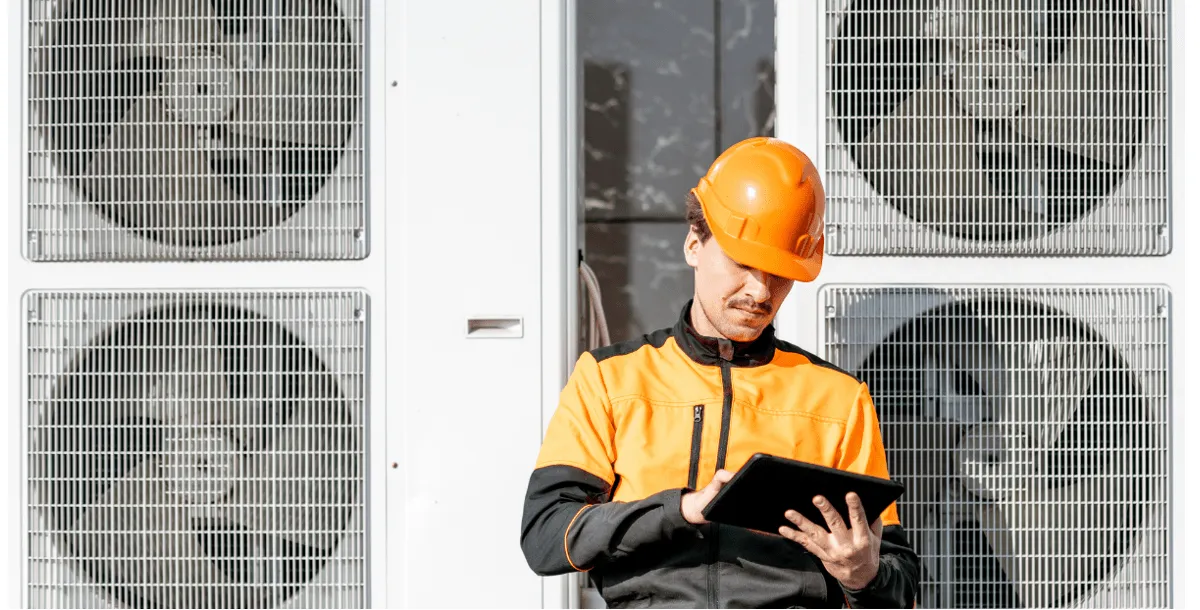
AC Repair & Installation
“When your AC blows lukewarm air during a sweltering 95°F heatwave, every passing hour makes your home more unbearable.”
Fast diagnostic, refrigerant leak detection, capacitor replacement, and high-efficiency central air installation.
Common failures include open run capacitors (loss of microfarad capacitance), pitted contactor contacts, thermostatic expansion valve (TXV) restriction, or micro-leaks in the aluminum evaporator coil.
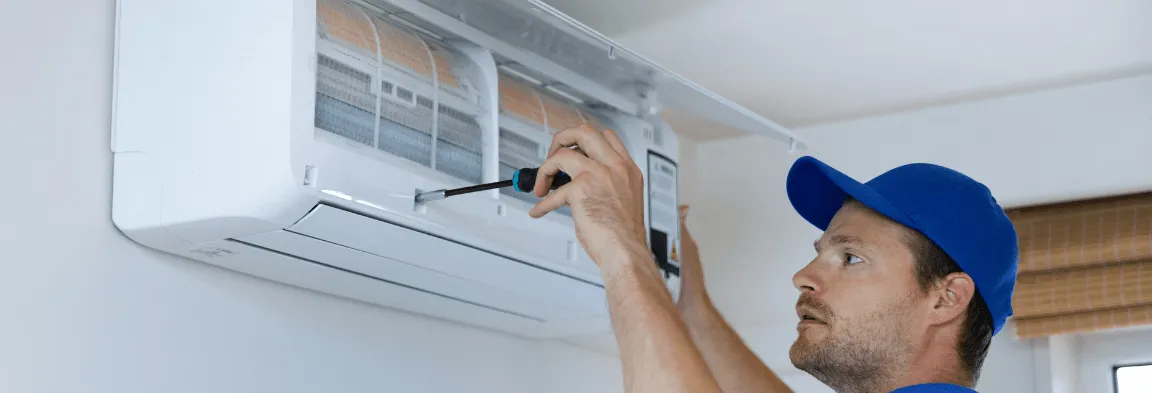
Furnace & Heating Systems
“Waking up to a freezing home in the middle of winter with a furnace that refuses to ignite is an acute safety emergency.”
Gas and electric furnace diagnostic, heat exchanger carbon monoxide safety inspection, and high-efficiency heating replacements.
Typical root causes include oxidized flame sensor rods that fail to detect microamp flame current, cracked aluminized steel heat exchangers, failed silicon nitride ignitors, or stuck gas valve solenoids.

Heat Pump Systems & Mini-Splits
“High energy bills from outdated baseboard or inefficient AC units drain your budget year-round.”
All-electric cold-climate heat pumps, ductless mini-splits, reversing valve diagnosis, and IRA 25C rebate qualifying installs.
Common failures stem from stuck 4-way reversing valves, malfunctioning defrost thermistors/boards, low subcooling from flare-fitting micro-leaks, or communication bus errors between indoor and outdoor inverter boards.
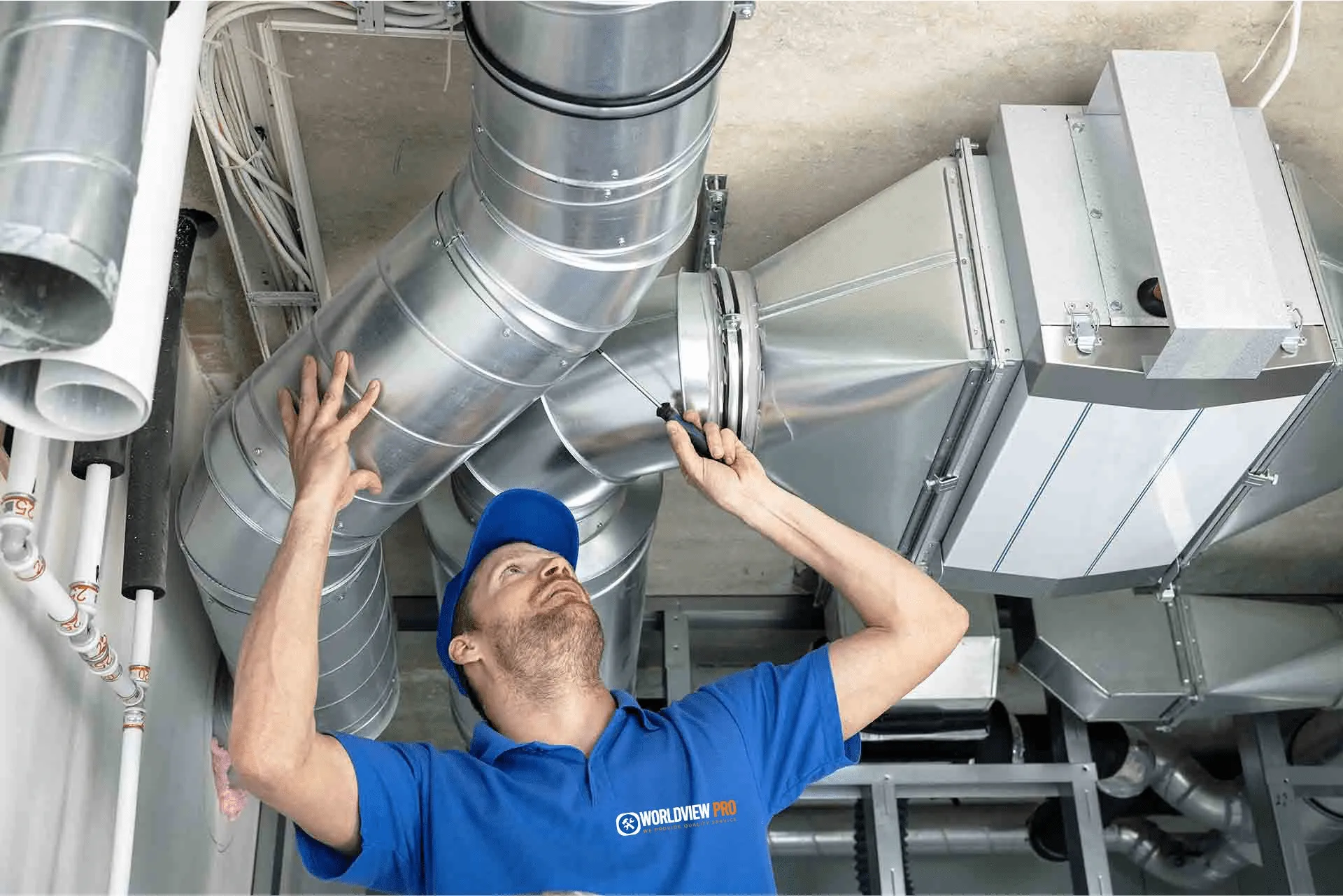
Ductwork Repair, Sealing & Balancing
“Rooms that are always too hot in summer and freezing in winter, coupled with dusty air and unexplained energy bill spikes.”
Aeroseal duct sealing, static pressure diagnostics, return air plenum enlargement, and R-8 insulation duct replacement.
According to the US Department of Energy, the average American home loses 20%–30% of conditioned air through leaky duct seams, disconnected boots, and high static pressure restrictions exceeding 0.8 in. w.g.
Smart Thermostats & Zoning Controls
“Struggling with outdated dial thermostats that leave you manually adjusting temperatures while paying exorbitant utility bills.”
Smart Wi-Fi thermostat installation, C-wire 24V power additions, motorized zone dampers, and multi-stage control calibration.
Common problems include parasitic power-stealing issues causing control board chatter without a continuous C-wire, faulty 24V zone damper motors, or incorrect heat pump O/B reversing valve configuration in software.
Indoor Air Quality & Whole-Home Filtration
“Chronic allergies, stale indoor air, static electricity in winter, or sticky mugginess in summer that standard filters cannot fix.”
MERV 13–16 media air cleaners, germicidal UV-C coil purifiers, whole-home dehumidifiers, and steam humidifiers.
Standard 1-inch filters protect the blower wheel from coarse hair but fail to capture sub-micron viral carriers, PM2.5 smoke, and VOCs. High indoor humidity above 55% creates an ideal breeding ground for Aspergillus and Penicillium mold on wet cooling coils.

Maintenance Plans & Seasonal Tune-Ups
“Waiting until the hottest or coldest day of the year for your system to break down, resulting in expensive emergency diagnostic bills.”
21-point spring cooling and 24-point fall heating safety inspections, coil chemical washes, and VIP priority dispatch protection.
Over 80% of catastrophic HVAC breakdowns (seized compressors, burned blower motors) result from neglected maintenance — dirt on coils acting as thermal insulation, loose electrical connections causing voltage drops, and clogged condensate lines causing water damage.
Commercial HVAC Systems
“A sudden HVAC failure in your retail store, restaurant, or commercial office disrupts business, irritates customers, and threatens revenue.”
Packaged rooftop units (RTU), commercial ducting, make-up air ventilation, and preventive maintenance contracts for business facilities.
Commercial systems experience high duty cycles. Failures often involve belt wear on forward-curved blowers, seized economizer actuators, three-phase compressor contactor pitting, or 460V variable frequency drive (VFD) faults.
Emergency HVAC Services (24/7 Response)
“When your heating fails during a sub-zero blizzard or AC dies during a 105°F heat advisory, waiting days for an appointment is not an option.”
Rapid dispatch for no-heat sub-zero emergencies, extreme heatwave AC failures, gas odors, and carbon monoxide detector trips.
Emergency dispatches address immediate life-safety and structural protection issues: restoring locked-out furnace ignition, repairing high-voltage short circuits, replacing blown run capacitors, or isolating hazardous gas/refrigerant leaks.
Ventilation & Exhaust Systems
“Moisture buildup causing bathroom ceiling mildew, stale trapped indoor air in tightly insulated homes, or sweltering attic heat radiating downward.”
Energy Recovery Ventilators (ERV), Heat Recovery Ventilators (HRV), quiet bathroom exhaust fans, and attic solar ventilation.
Modern energy-efficient homes require mechanical ventilation (ASHRAE 62.2). Without dedicated balanced ventilation (HRV/ERV), moisture and indoor contaminants remain trapped, leading to structural rot and poor indoor air quality.
Should You Repair, Replace, or Upgrade Your HVAC System?
HVAC decisions aren't binary. A failing 12-year-old system competes against both a targeted repair and a high-SEER2 inverter heat pump that pays for itself in reduced monthly electric bills.
Targeted Component Repair
Best when the system is relatively young (under 8–10 years) and the mechanical failure is isolated.
Like-for-Like Replacement
Best when the system is 12–15+ years old and faces a major component failure (evaporator coil or compressor).
High-Efficiency Heat Pump Upgrade
Variable-speed inverter system (18–22+ SEER2) maximizing energy savings and tax credit incentives.
Request Your Fair Quote
Match with licensed, EPA 608 certified HVAC specialists in your area.
Prefer to speak with an intake coordinator right now?
(800) 644-2796 — Call 24/7